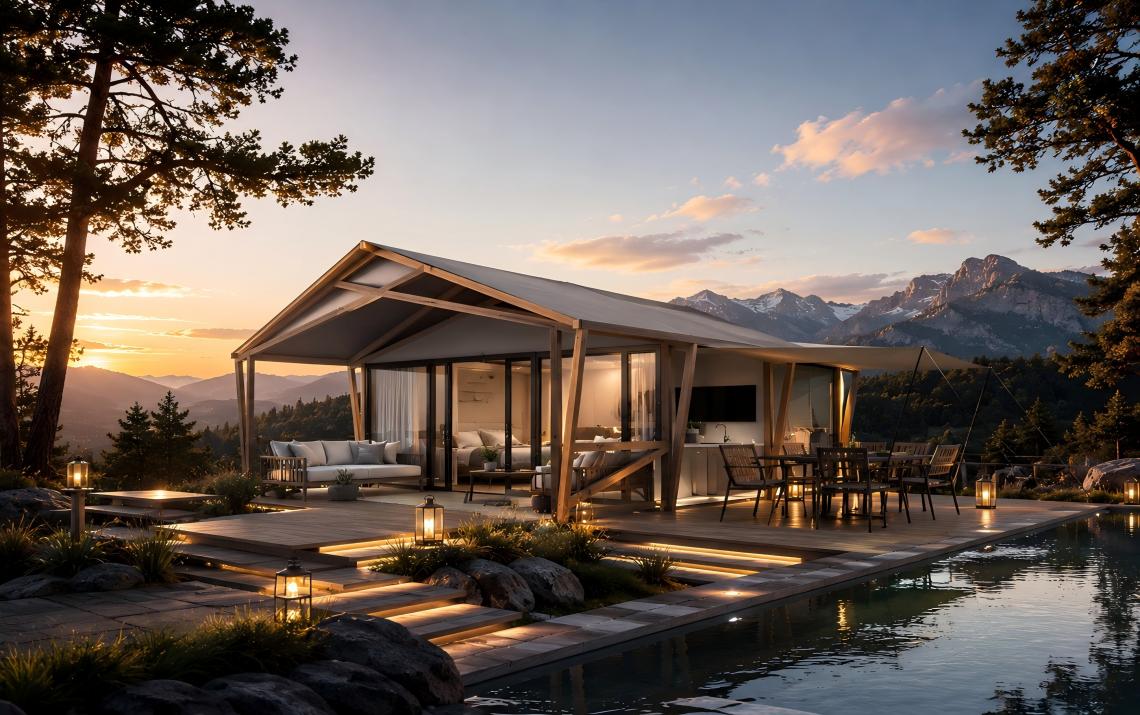
Villa Integrated Solution
Integrated Solutions For Every Space

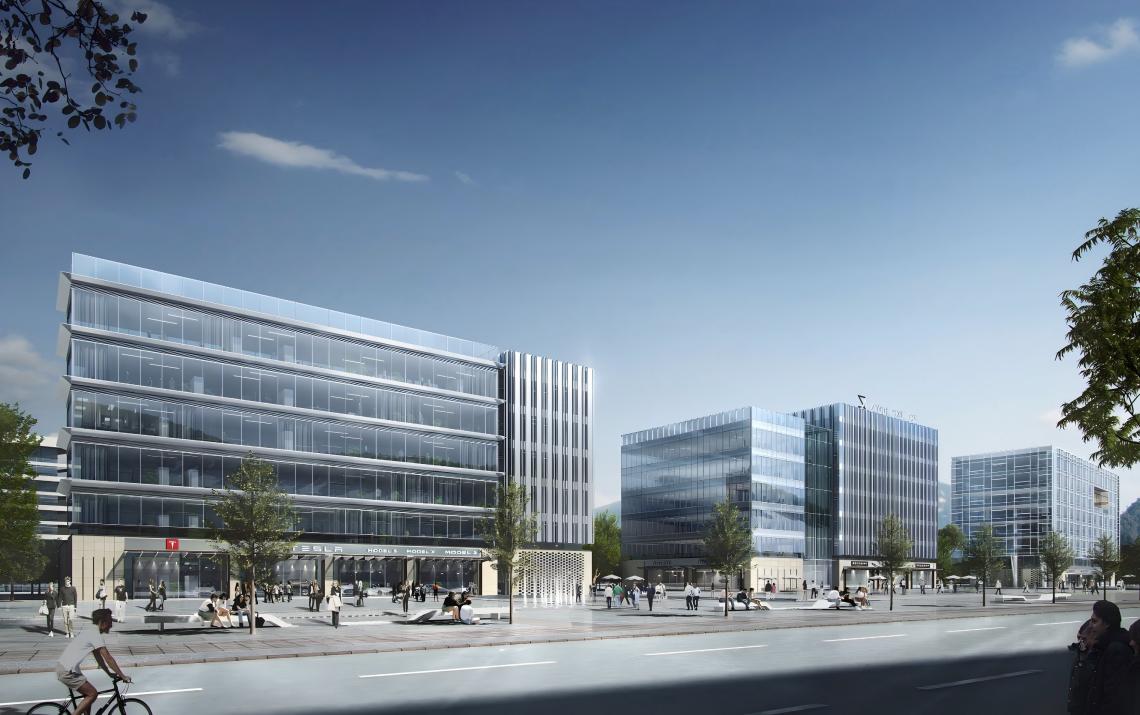
Commercial Building Solution

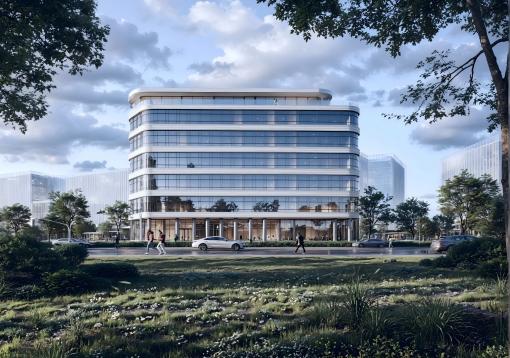
It addresses common issues: limited indoor space, idle rooftops, weather‑limited outdoor business and format homogenization. Container houses and revolving restaurants deliver featured commerce on plazas; curtain walls and movable sunrooms upgrade facades and expand outdoor seating; retractable roofs, aluminum tents and apple pods create experience‑oriented zones on rooftops. Detachable and relocatable products enable fast format iteration while avoiding illegal construction risks to revitalize existing commercial space.

bussiness1
CORE STRATEGY:

Modular units for fast commercial setup, detachable for format adjustment.

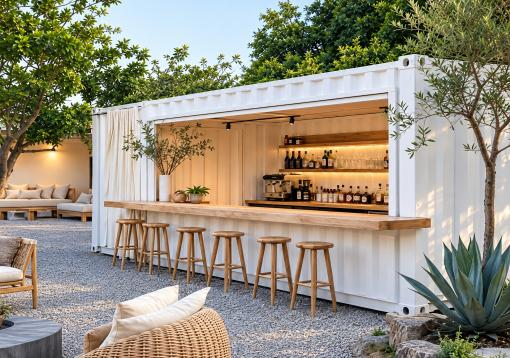
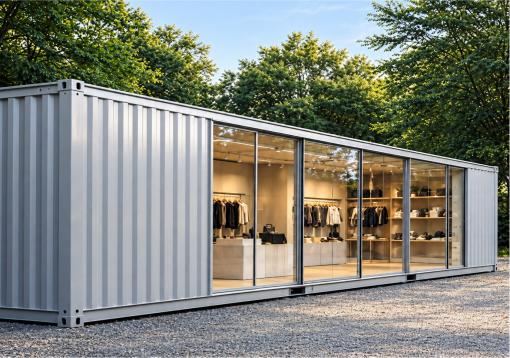
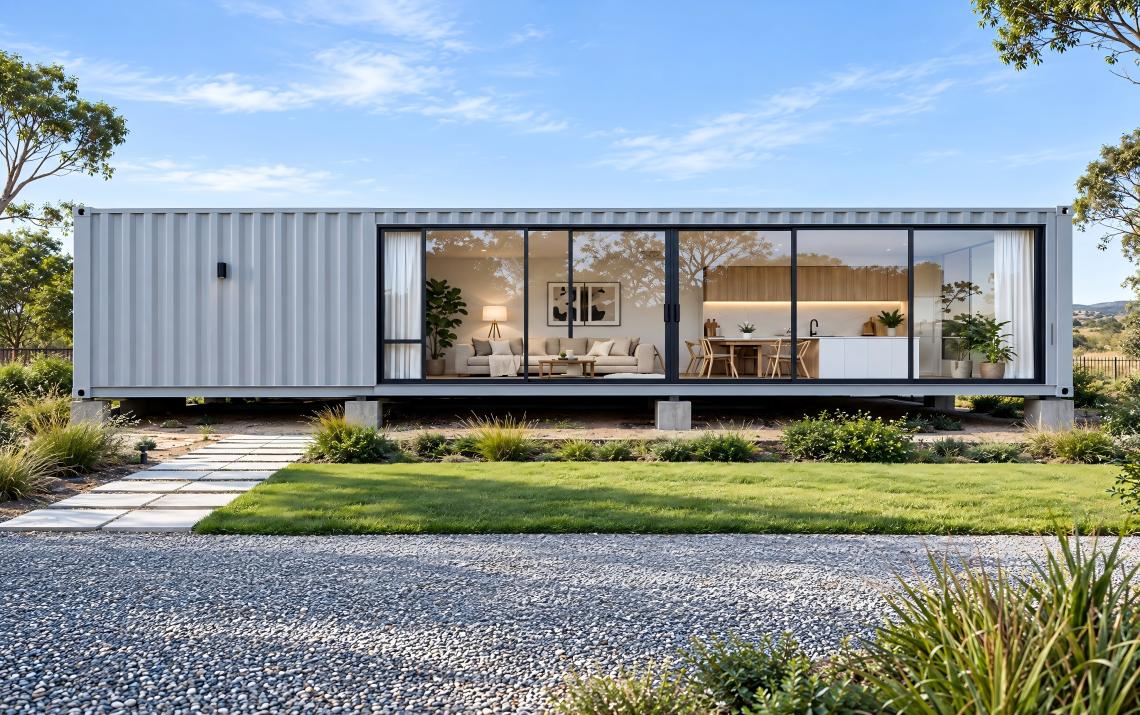
Located in the outdoor plaza area of the commercial center, these modular container-style structures can be assembled in various configurations to serve as temporary retail spaces, reception areas, and community service stations for the commercial center. They can be easily disassembled, relocated, and reassembled.

1080x715
485x340
485x340


BATTLE 1:

What rapid-construction demands of commercial centers can container houses meet?

Adopting prefabricated modular structures, they only require on-site assembly, greatly shortening construction cycles and satisfying the need to quickly add supporting outlets and start operation.


BATTLE 2:

How do container houses solve building-renovation difficulties caused by commercial format adjustments?

They are detachable and relocatable. When commercial-center planning changes, they can be moved or reassembled without large-scale civil demolition, cutting renovation investment costs.


BATTLE 3:

What problem of insufficient temporary supporting space on commercial-center plazas can container houses solve?

They can be flexibly arranged on open plaza areas to supplement retail shops, customer-service stations and temporary offices. They do not occupy valuable floor space inside the main building and expand businessoperation space.

CORE STRATEGY:

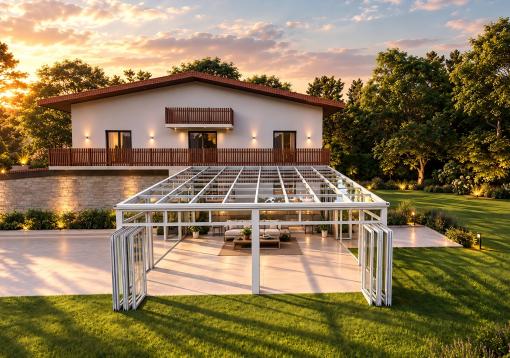
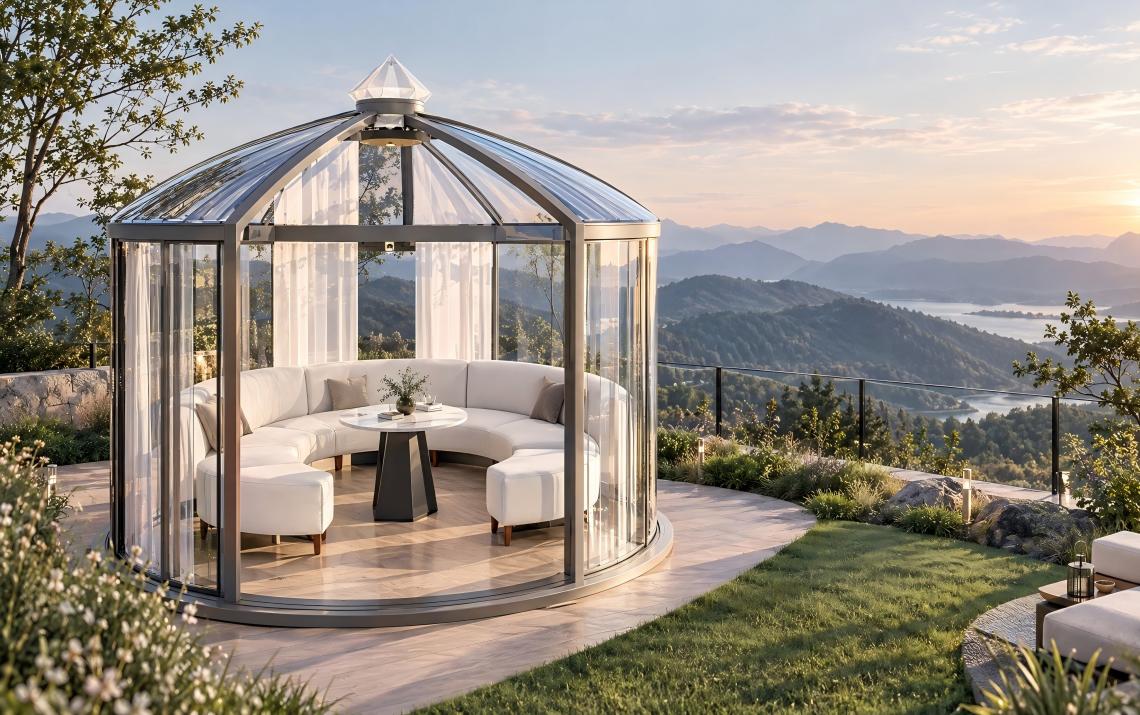
Sunroom solves weather limits, expands business area and upgrades facade.

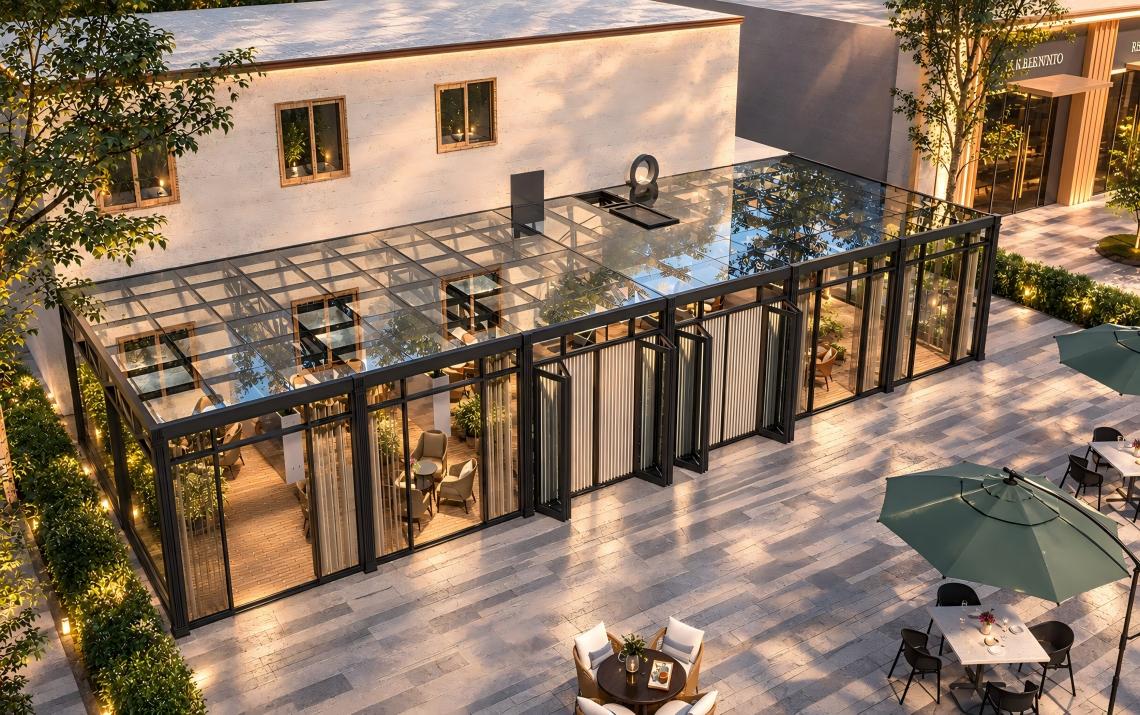
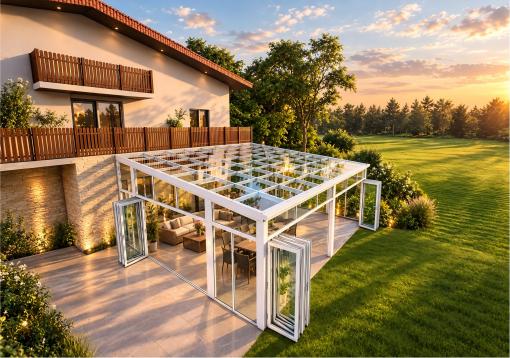
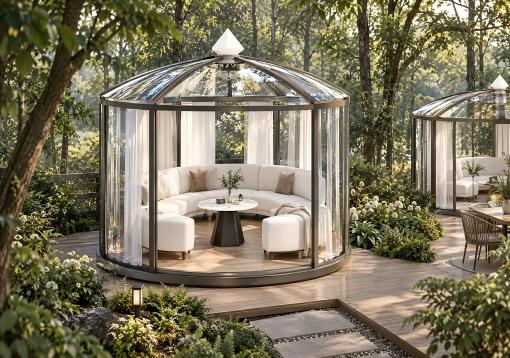
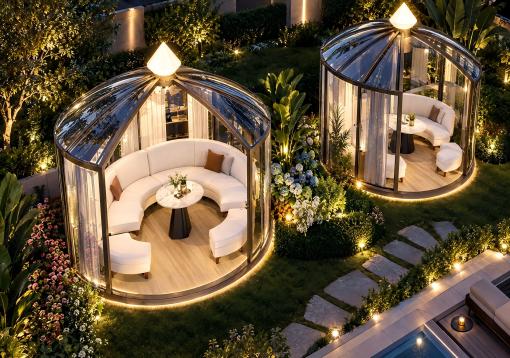
Installed on the exterior facade of the commercial center’s annex, this fixed, enclosed glass sunroom can serve as an outdoor seating area for commercial, leisure, and dining establishments, providing an enclosed space for year-round operation.

1080x715
485x340
485x340


BATTLE 1:

What pain point of weather‑limited outdoor dining in commercial catering can fixed sunrooms solve?

Built as enclosed glass structures, they keep dining areas functional amid wind, rain, cold and heat. They make outdoor catering immune to changeable weather and guarantee stable operation of outdoor dining zones.


BATTLE 2:

How do fixed sunrooms meet commercial‑center demands for better facade display effects?

Featuring fully transparent glass with modern‑simple appearance, they act as both catering business space and facade display modules. They beautify building look and effectively draw attention from passing pedestrians.


BATTLE 3:

What flexible‑capacity‑expansion problems of commercial space can fixed sunrooms resolve?

They expand stable usable business area outward without civil reconstruction of existing buildings. Without retractable‑structure constraints, they provide permanent dining seats and make up for insufficient indoor seats in commercial centers.

CORE STRATEGY:

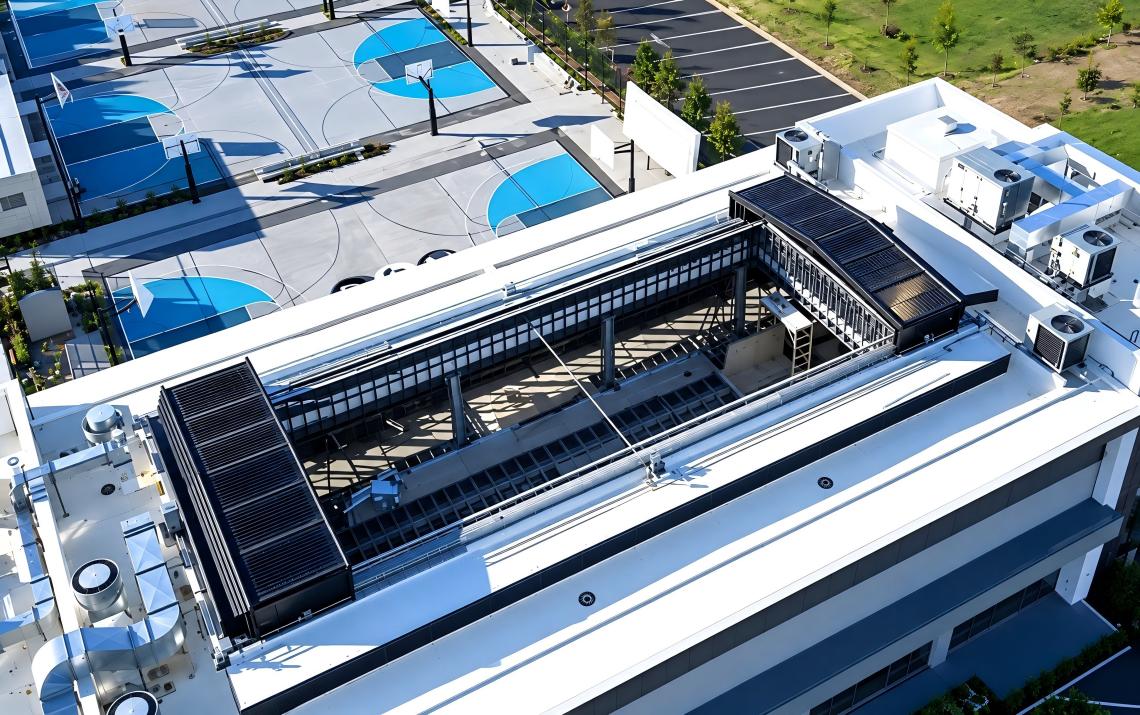
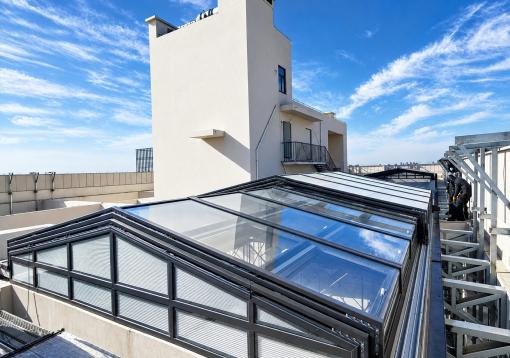
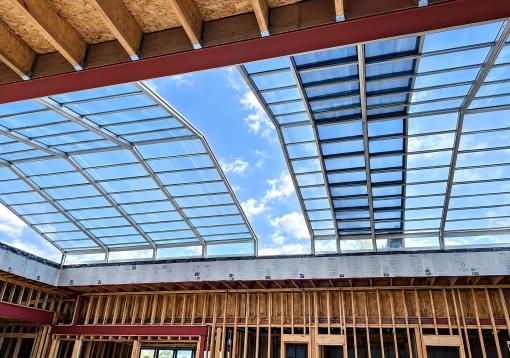
Retractable roof switches indoor‑outdoor modes to boost venue rental income.

Installed above the rooftop terrace of the main building in the commercial center, this large-span, motorized retractable glass roof covers the top-floor commercial area, allowing for both open-air and enclosed indoor modes.

1080x715
485x340
485x340


BATTLE 1:

What seasonal-usage-limitation problem for rooftop commercial zones can retractable roofs solve?

The roof opens in pleasant weather to create open-air rooftop commercial space, and closes in extreme heat, rain or snow to form an indoor environment. It enables yearround normal operation of rooftop areas.


BATTLE 2:

How do retractable roofs resolve conflicts between daylighting and sun-shading for rooftop businesses?

Open the roof for abundant natural light; close it under intense summer sunshine. Glass panels with thermal-break profiles block harsh sunlight, balancing daylight access and heat-reduction requirements.


BATTLE 3:

What pain points of limited event types on commercial-center rooftops can retractable roofs address?

One roof system switches between two space modes. It supports open-air markets and parties as well as indoor banquets and press conferences. It diversifies rooftop event options and increases venuerental revenue.

CORE STRATEGY:

Curtain wall creates premium look, delivers lighting, insulation and energy saving.

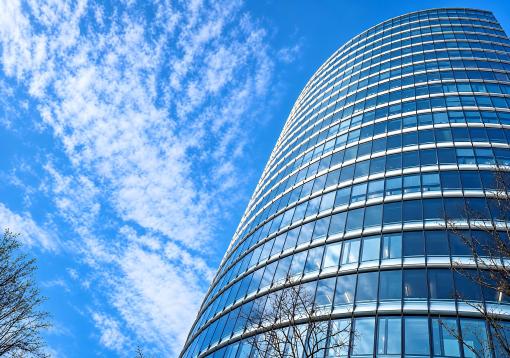
The all-glass curtain wall system on the exterior of the main building of the business center serves as the building’s exterior envelope. With its expansive glass surfaces, it combines architectural aesthetics with multiple functional benefits, including natural lighting, thermal insulation, and soundproofing.

1080x715
485x340
485x340


BATTLE 1:

What demands for building-facade image building of commercial centers can curtain walls satisfy?

Large-area glass curtain walls deliver a clean, modern look, create a high-end commercial-building image, strengthen project recognition, attract passers-by and upgrade commercial grade.


BATTLE 2:

How do curtain walls solve insufficient daylighting inside large-floor-area commercial main buildings?

High-transmittance glass brings ample natural daylight into interior floors, shortening daily artificial-lighting hours and saving substantial electricity consumption for commercial-building lighting.


BATTLE 3:

What performance weaknesses of commercial-building outer enclosures can curtain walls resolve?

High-performance curtain walls deliver thermal insulation, sound insulation and weather resistance. They block street noise from entering shopping areas, isolate outdoor hot or cold air, cut air-conditioning energy use and improve customer shopping experience.

CORE STRATEGY:

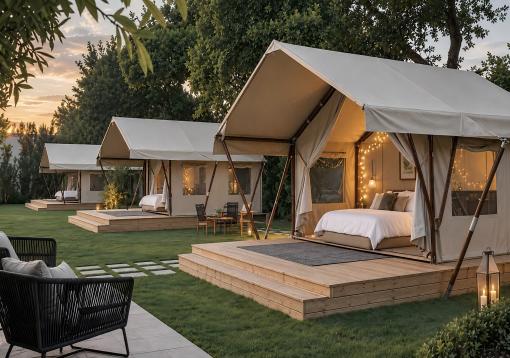
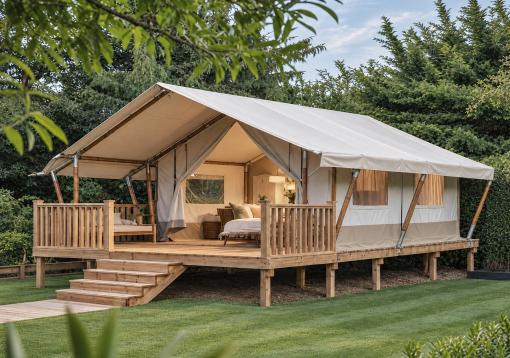
Aluminum tent, temporary facility for compliant sheltered outdoor space.

Located in the rooftop leisure area of a commercial center, these lightweight aluminum alloy frame tents are designed for rooftop outdoor event spaces, pop-up markets, and casual dining spots, and are easy to set up and take down.

1080x715
485x340
485x340


BATTLE 1:

What fast-setup requirements for rooftop temporary events of commercial centers can aluminum tents meet?

Light-weight aluminum frames feature simple assembly without heavy civil work. They can be erected quickly for short-term markets and festival-themed events in commercial centers.


Multi-Layer Composite Thermal Insulation: The interior features high-density carbon crystal insulation panels, cutting off thermal conduction pathways entirely. This "thermal barrier system" reduces air conditioning energy consumption by over 40%, keeping the interior cool amidst scorching desert heat.


BATTLE 2:

How do aluminum tents resolve regulatory restrictions that forbid permanent buildings on rooftops?

As prefabricated temporary facilities rather than permanent structures, they comply with rooftop-planning regulations. They add business outlets on roofs to unlock rooftop commercial value and avoid illegal-construction risks.


Active Sand-Sweeping Mechanism: To prevent sand from fouling the mobile tracks, the servo-driven sliders are equipped with heavy-duty, forward-facing sweepers. Even after a severe sandstorm, the stainless-steel heavy-duty rail system delivers a 20dB (whisper-quiet) opening and closing cycle, reflecting absolute precision in mechanical engineering.


BATTLE 3:

What pain points of sun-rain protection for commercial outdoor events can aluminum tents solve?

High-strength aluminum frames paired with sun-rain-proof fabric create shelter for rooftop markets and outdoor dining. Outdoor activities will not be forced to stop due to light rain or harsh sunlight.

CORE STRATEGY:

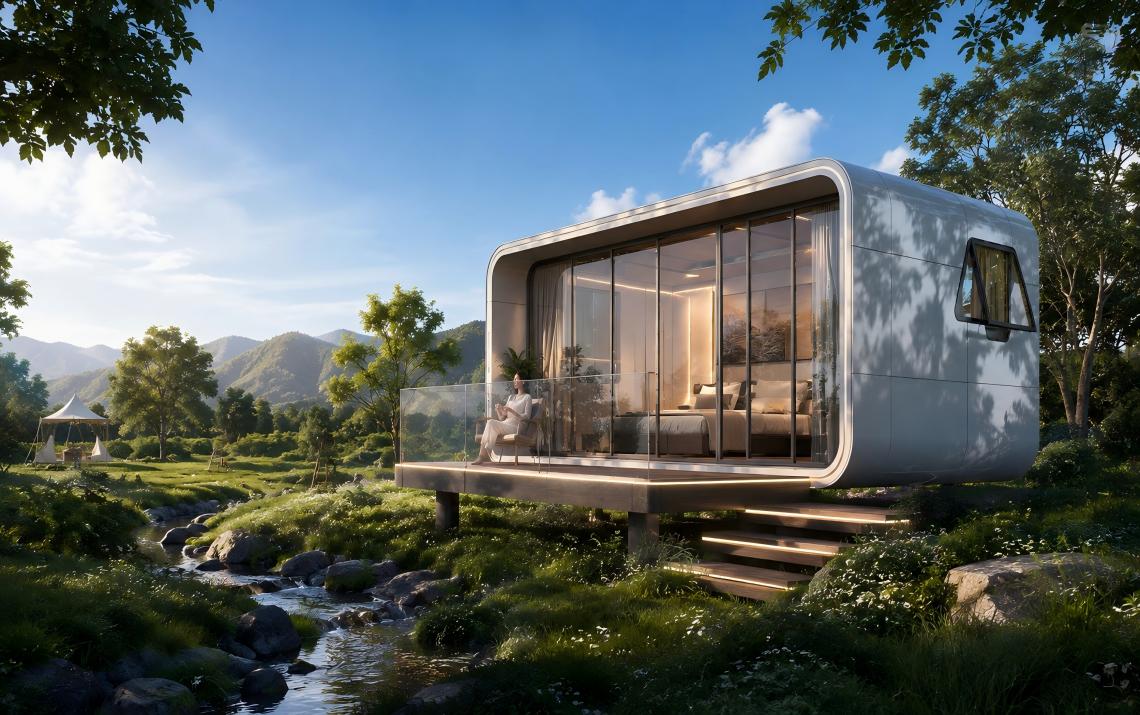
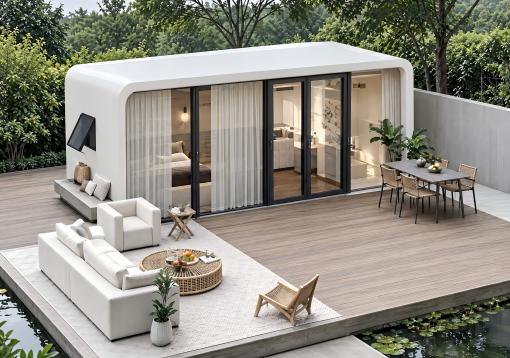
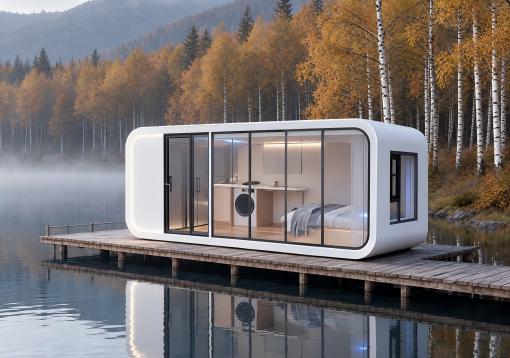
Ready‑to‑hoist pods create check‑in spots with flexible business functions.

Placed on the rooftop terrace of a commercial center, these modular “Apple Pod” smart units can serve as influencer reception areas, light dining spots, or casual tea rooms—they are fully self-contained, turnkey units.

1080x715
485x340
485x340


BATTLE 1:

What difficulty of complicated on-site civil construction for new rooftop business space in commercial centers can apple pods solve?

Fully prefabricated integrated pods are hoisted into position on-site and ready for operation. No cast-in-place civil work is required, avoiding troubles caused by difficult rooftop construction conditions.


BATTLE 2:

How can apple pods help commercial centers create internet-famous check-in spots to attract visitors?

Their modern, streamlined and tech-infused appearance works well for rooftop tea houses and light-dining outlets. They form distinctive photo-worthy scenes, drive social-media exposure and boost foot traffic for commercial centers.


BATTLE 3:

What flexible-format-iteration problems of commercial centers can apple pods resolve?

Entire pods can be hoisted and relocated. When business plans change, they can be repositioned instead of demolished and rebuilt. They support fast format switching and reduce renovation costs for business upgrades.

CORE STRATEGY:

Revolving restaurant as landmark catering to attract visitors and strengthen IP.

Located in the commercial center plaza area, this rotatable, modular, all-in-one restaurant unit combines dining, scenic viewing, and relaxation spaces. As a signature dining facility of the commercial center, it creates a landmark consumer experience space.

1080x715
485x340
485x340


BATTLE 1:

What pain point of lacking differentiated characteristic catering for commercial centers can revolving restaurants solve?

Equipped with rotating sightseeing functions different from ordinary restaurants, they create one-of-a-kind landmark catering projects, build differentiated competitive advantages and improve overall project uniqueness.


BATTLE 2:

How do revolving restaurants meet demands for attracting long-distance visitors and raising project popularity?

Their distinctive rotating-dining experience generates social-media topics. They draw cross-regional consumers from across the city, boost city-wide brand awareness and strengthen commercial-IP influence.


BATTLE 3:

What problems of unlocking value for under-utilized plaza space in commercial centers can revolving restaurants address?

Built on external plaza areas without occupying main-building floor space, they transform ordinary plaza land into high-revenue characteristic-catering space and make full use of external public-site resources

Leave A Message

We would love to hear from you!