Villa Integrated Solution
Integrated Solutions For Every Space

Camping

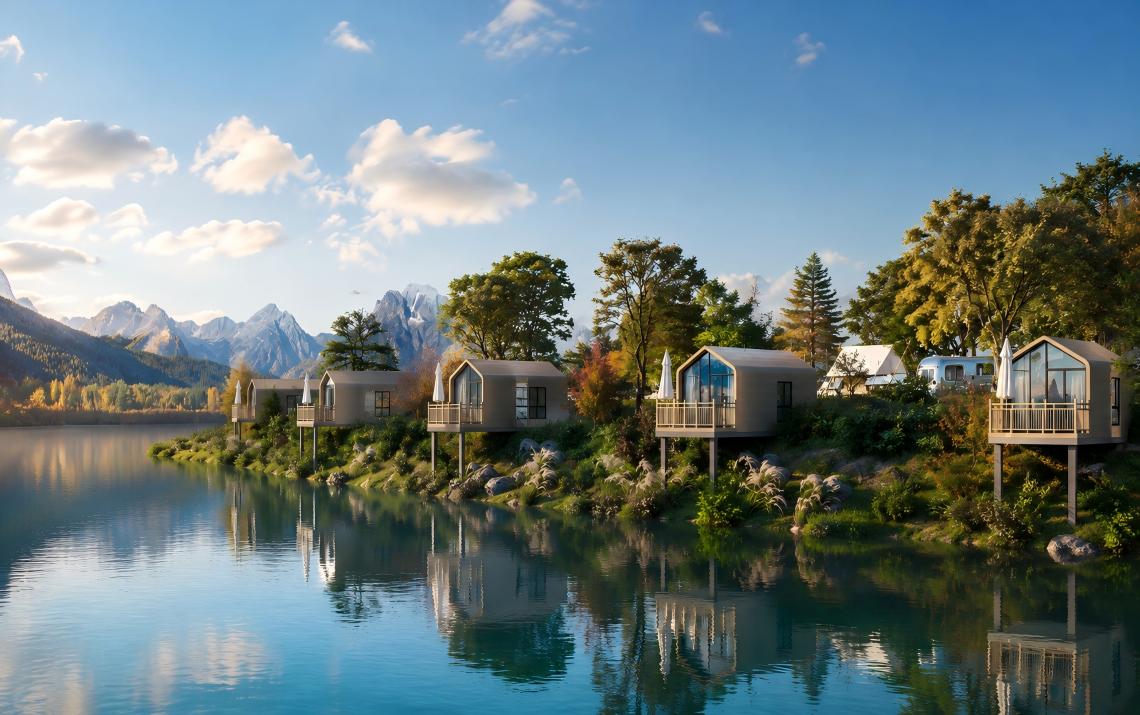
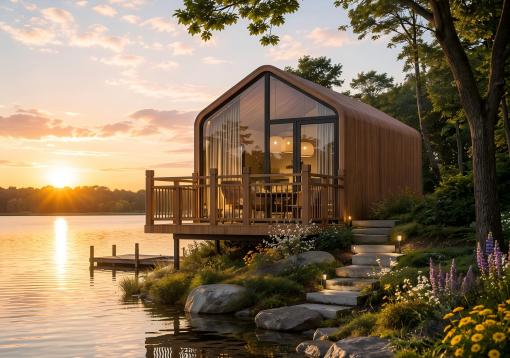
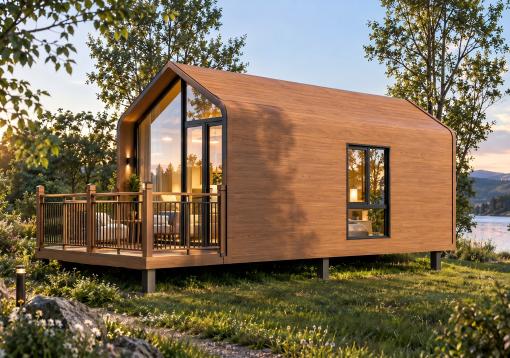
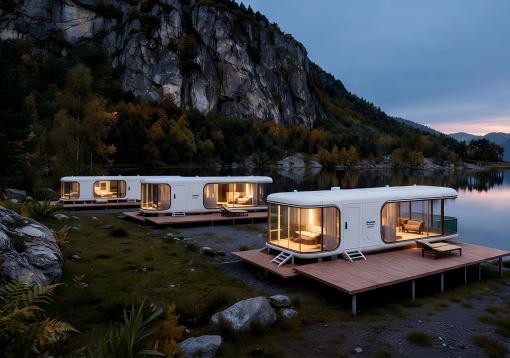
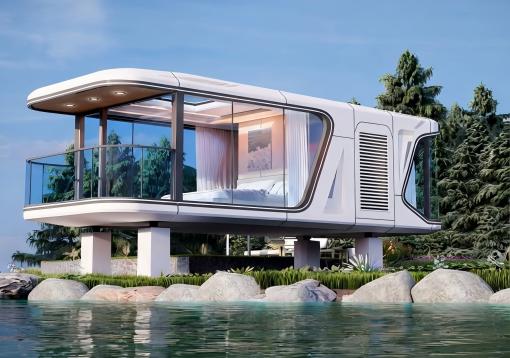
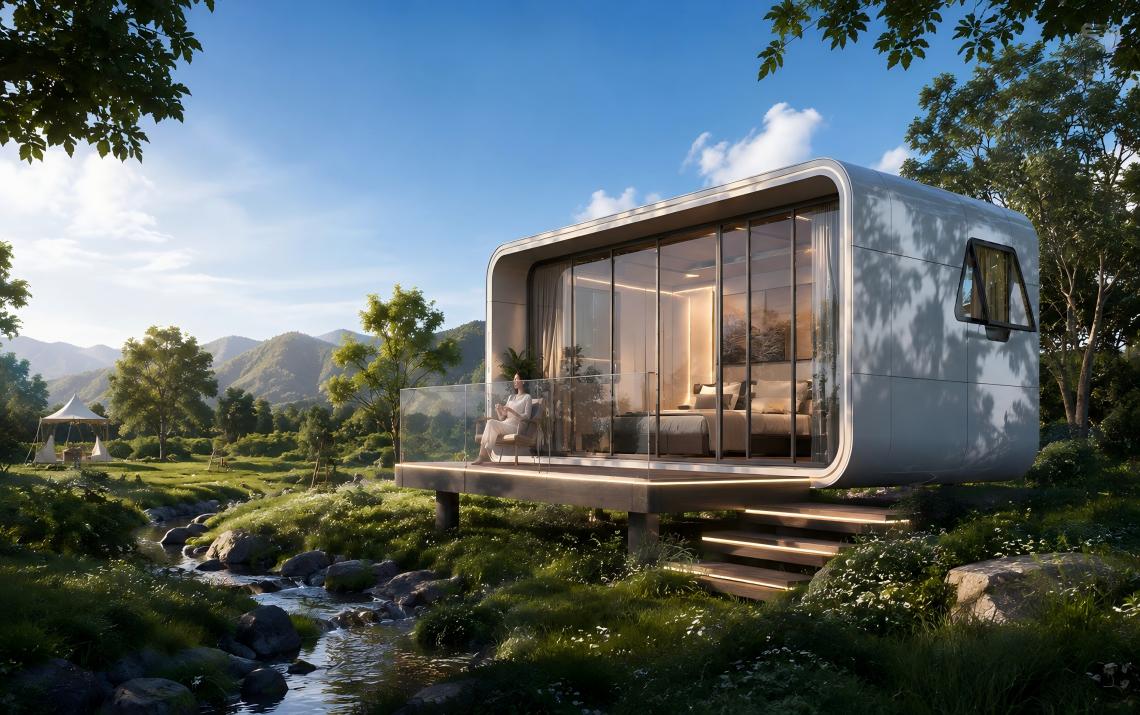
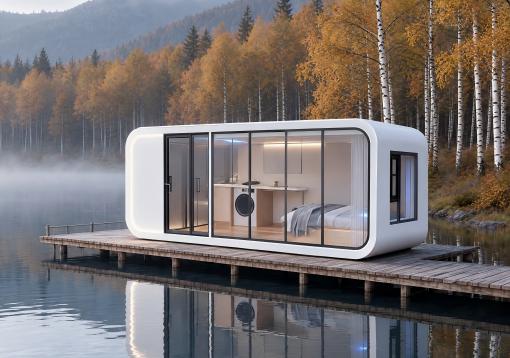
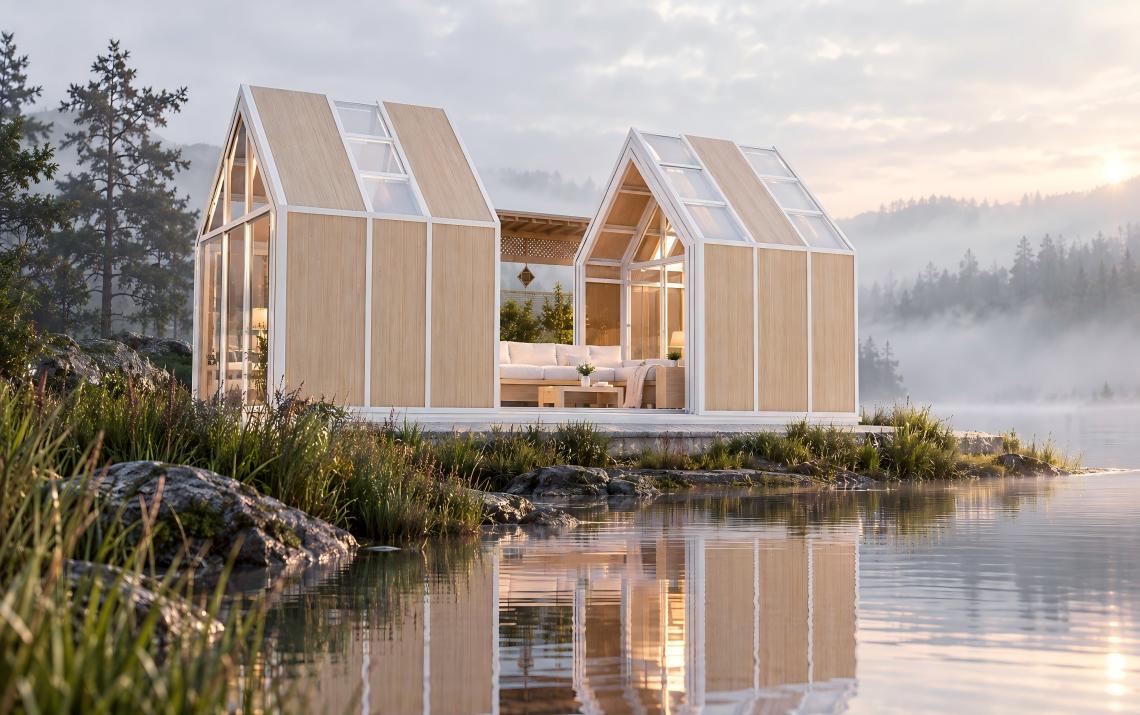
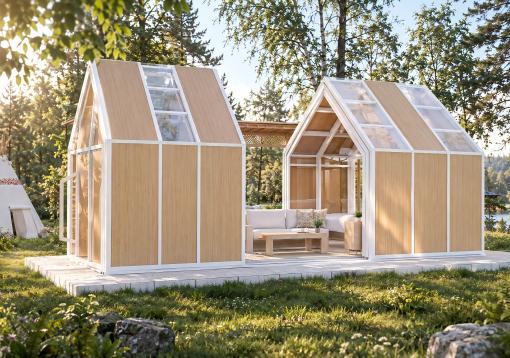
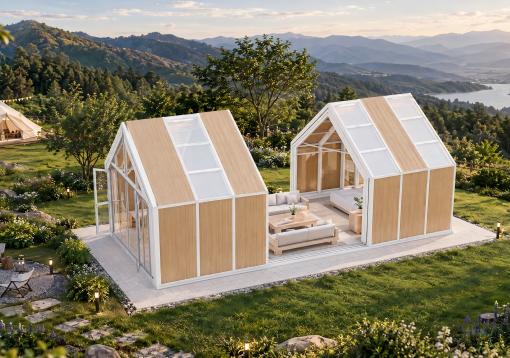
It solves tourism‑industry challenges such as strict land approval, long construction cycles, format homogenization and large peak‑off‑season gaps. Its accommodation line includes bubble houses, space capsules, apple pods, aluminum houses and retractable herringbone‑roof guest‑rooms for multi‑grade stays. Revolving restaurants, outdoor kitchens and outdoor restaurants support sightseeing dining, camping barbecue and team‑building banquets. Prefabricated units are hoistable and relocatable for peak‑season expansion and off‑season reuse. With social‑media check‑in value, they fit mountains, lakesides, lawns and other tourism sites.

villa1
CORE STRATEGY:

Landmark tourism catering draws visitors via sightseeing to lift revenue premium.

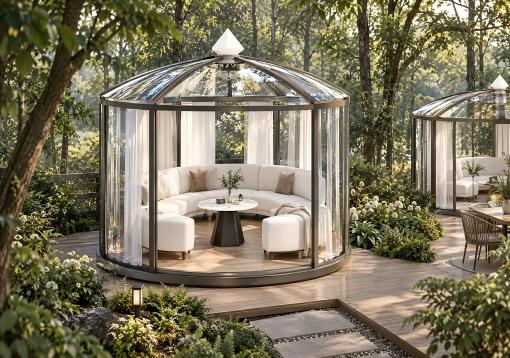
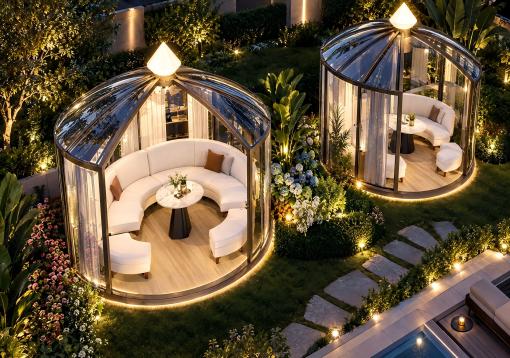
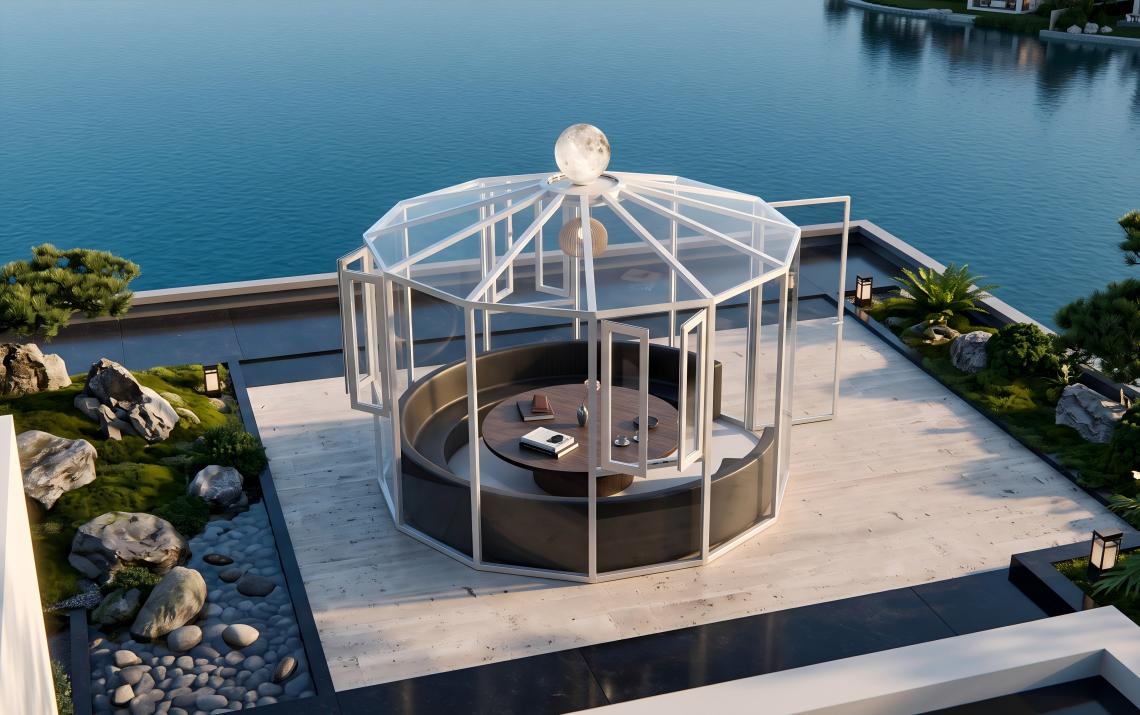
Located in the scenic heart of the cultural and tourism park, these modular, rotatable dining units combine dining with scenic views. As a signature dining attraction of the cultural and tourism project, they offer visitors an immersive dining experience with stunning views.

1080x715
485x340
485x340


BATTLE 1:

What pain point of homogenized catering formats in cultural-tourism projects can revolving restaurants solve?

Featuring 360-degree rotating sightseeing experience different from ordinary scenic-spot restaurants, it creates landmark catering products, builds differentiated competitiveness and enriches consumption formats of cultural-tourism parks.


BATTLE 2:

How do revolving restaurants meet the demand of attracting out-of-town tourists and improving project publicity for cultural-tourism projects?

The novel rotating dining-and-sightseeing experience is highly suitable for social-media check-ins. Tourists share photos online to expand exposure, drawing cross-regional visitors and raising the popularity of cultural-tourism projects.


BATTLE 3:

What problems of tapping commercial value from scenic spots in cultural-tourism parks can revolving restaurants resolve?

It can be arranged on sites with excellent views, making full use of natural scenery resources. It converts sightseeing resources into catering revenue, maximizes commercial returns and improves the overall profitability of scenic areas.

CORE STRATEGY:

Outdoor kitchen serves camping & team‑building, reduces camp maintenance.

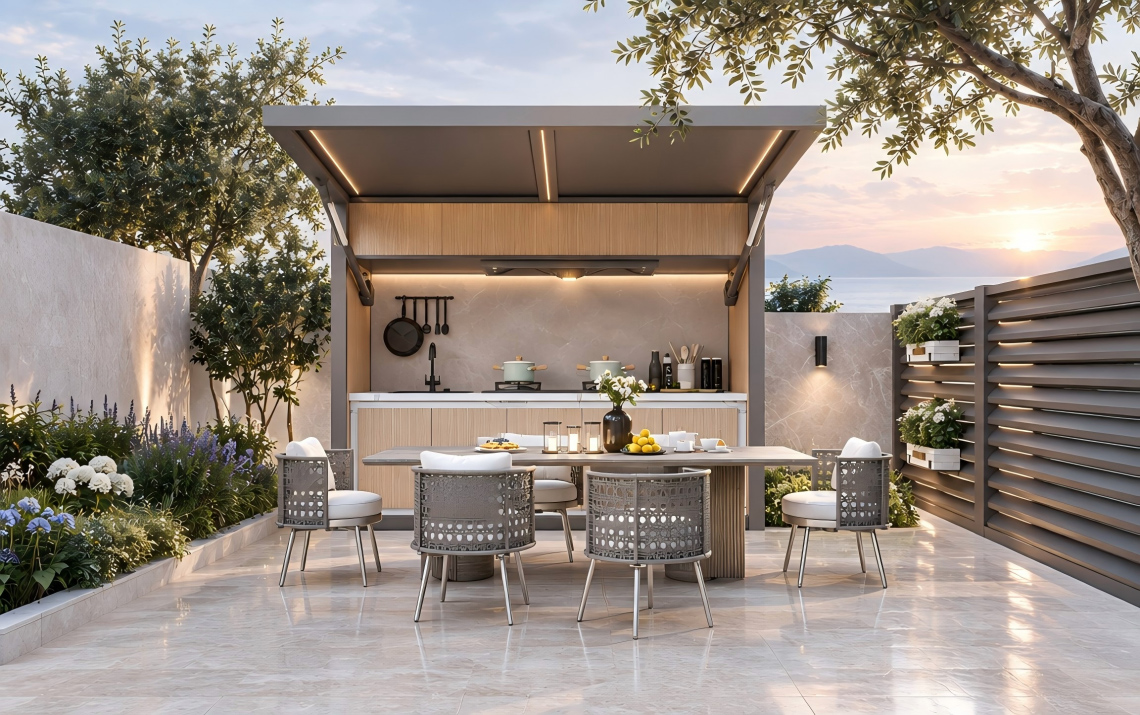
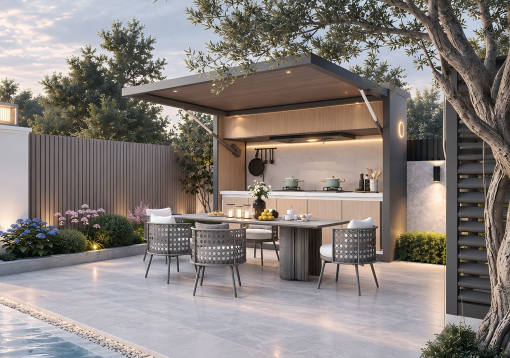
Located in the outdoor dining and camping recreation areas of the cultural and tourism park, these all-in-one outdoor kitchens—which integrate food preparation stations and barbecue equipment—serve a variety of scenarios, including camping experiences, team-building gatherings, and self-service barbecues for visitors.

1080x715
485x340
485x340


BATTLE 1:

What problem caused by long distance between indoor kitchen and dining zones in cultural-tourism camping areas can outdoor kitchens solve?

Built beside camping and dining zones, it enables on site food processing and barbecue cooking without long trips back to indoor kitchens, greatly improving serving efficiency for team building and camping events.


BATTLE 2:

How do outdoor kitchens solve the problem that barbecue fumes pollute indoor spaces in cultural tourism campsites?

Barbecue and high-heat cooking are completed outdoors. Cooking fumes disperse into open air instead of entering accommodation buildings or indoor public areas, protecting air quality in guest rooms and indoor zones.


BATTLE 3:

What usage pain points for tourist self-cooking and team-building events in cultural-tourism projects can outdoor kitchens resolve?

Equipped with complete outdoor-cooking facilities, it supports self-service barbecues and group dinners and enriches campsite experiences. Grease residues remain outdoors to reduce indoor cleaning workload and cut scenicsite labormaintenance costs./p>

CORE STRATEGY:

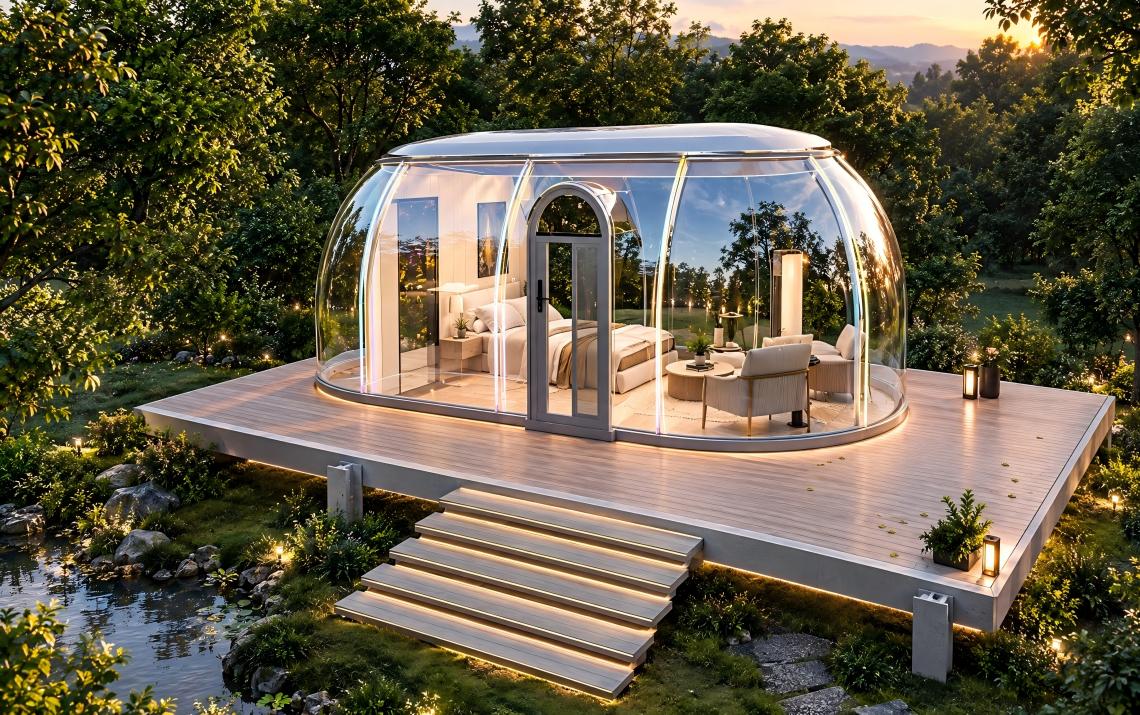
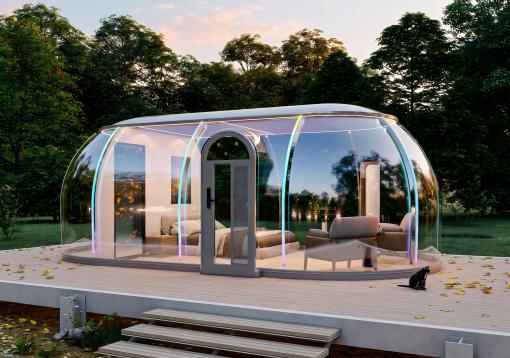
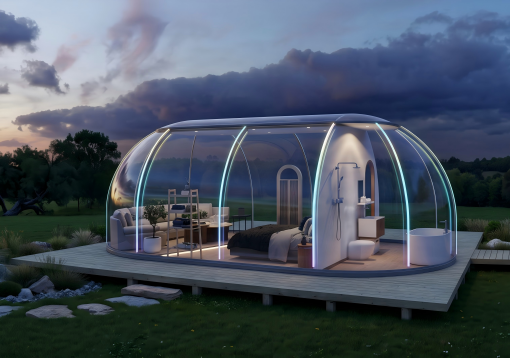
Low‑construction bubble homestay, adds beds fast and attracts tourists.

Located in the accommodation area of the cultural and tourism park, these fully transparent, inflatable spherical bubble accommodation units are commonly used as stargazing lodgings and scenic viewing spots, allowing visitors to admire the starry sky and the surrounding natural scenery from inside.

1080x715
485x340
485x340


BATTLE 1:

What problem of long construction cycles for traditional homestay buildings in scenic spots can bubble houses solve?

As prefabricated inflatable structures, they can be installed rapidly on-site without large-scale civil works. They quickly add accommodation beds and shorten the preparation period before project opening.


BATTLE 2:

How do bubble houses create internet-famous attributes and boost tourist appeal for cultural-tourism projects?

The fully transparent spherical shape allows guests to stargaze and admire landscape views indoors. This unique immersive experience encourages tourists to share photos on social media, driving more visitors to the scenic site.


BATTLE 3:

What difficulties of adding accommodation under land-planning restrictions for cultural-tourism projects can bubble houses resolve?

As temporary prefabricated facilities without permanent building foundations, they comply with land-use rules that ban permanent buildings on certain plots. They expand homestay business without damaging original landforms.

CORE STRATEGY:

Aluminum houses fit wild sites, relocatable for flexible tourism formats.

The modular aluminum alloy prefabricated buildings within the cultural and tourism park can be arranged in various configurations and serve as guesthouse rooms, visitor service centers, and supporting office spaces for the park, meeting a wide range of functional needs within the cultural and tourism sector.

1080x715
485x340
485x340


BATTLE 1:

What problem of poor construction conditions in mountainous and suburban cultural-tourism sites can aluminum houses solve?

Prefabricated modular components are assembled on-site with minimal concrete work. Light-weight structures require simple foundations, making them well-suited for suburban and mountain cultural-tourism sites with construction constraints.


BATTLE 2:

How do aluminum houses meet demands for flexible format adjustment, expansion and reconstruction in cultural-tourism projects?

Modular units can be disassembled and relocated. When scenic areas need functional adjustments, units can be rearranged or moved instead of demolished, greatly cutting capital costs for renovation and upgrades.


BATTLE 3:

What pain points of anti-corrosion and weather resistance for outdoor cultural-tourism buildings can aluminum houses resolve?

Aluminumalloy materials resist corrosion, moisture, wind, rain and sunlight. Unlike wooden structures, they hardly decay and require simple after-sales maintenance, lowering upkeep costs for outdoor scenic buildings.

CORE STRATEGY:

High‑end prefab lodging protects ecology, enables peak‑off‑season asset allocation.

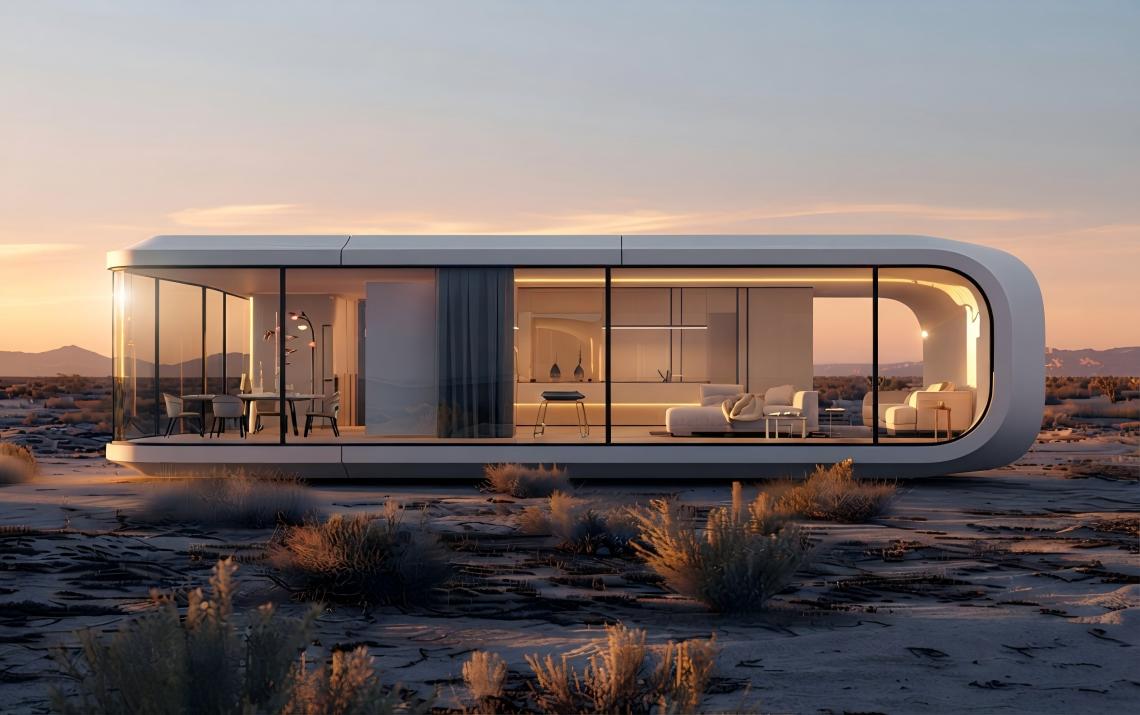
Located within the landscape area of the cultural and tourism park, these streamlined, all-in-one metal space capsule-style guesthouse units are shipped fully assembled and hoisted into place on-site to serve as high-end guesthouse accommodations, creating a high-tech lodging experience.

1080x715
485x340
485x340


BATTLE 1:

What problem of complicated civil-works and eco-damage during new homestay construction in scenic spots can space capsules solve?

Fully prefabricated in factories, they are hoisted into position on-site. Minimal foundation excavation and earth-moving work helps preserve original landforms and protects scenic-zone ecological environment.


BATTLE 2:

How do space capsules help cultural-tourism projects build differentiated high-end homestay products and raise average guest spending?

Featuring futuristic appearances and complete in-unit bathroom and lodging facilities, they stand apart from tents and traditional farm-stay houses. They support high-end accommodation lines and boost average room rates and revenue.


BATTLE 3:

What problems of flexible accommodation-scale adjustment amid peak and off season fluctuations in cultural-tourism projects can space capsules resolve?

Capsules can be hoisted and relocated. More units can be added for peak tourist seasons, and relocated to other parks in off-seasons. It avoids idle fixed buildings and improves asset utilization efficiency.

CORE STRATEGY:

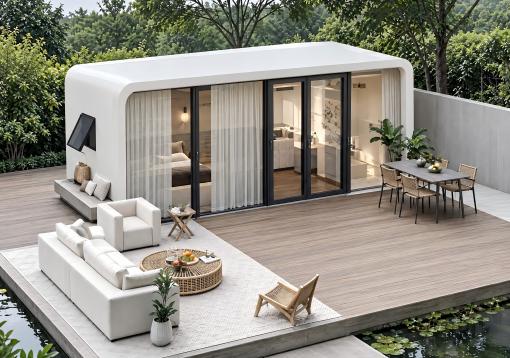
Pods deploy fast on scenic land, multi‑use relocatable check‑in spots.

The integrated prefabricated “Apple Pod” units in the cultural and tourism park feature a simple, rounded design and can serve as guest rooms for bed-and-breakfasts, cultural and creative retail spaces, visitor reception areas, or leisure tea rooms, making them suitable for a variety of cultural and tourism business scenarios.

1080x715
485x340
485x340


BATTLE 1:

What demand for rapidly adding supporting facilities on scenic plots in cultural-tourism projects can apple pods solve?

Fully prefabricated in factories, they are ready for use after on-site hoisting without casting or bricklaying. They enable fast deployment of homestays or service points on lawns, hillsides and other scenic locations.


BATTLE 2:

How can apple pods help cultural tourism projects build internet famous check-in spots and drive visitor traffic?

Their rounded, modern design delivers high visual recognition. Suitable for accommodation, cultural and creative retail and tea rooms, they become popular photo spots. Tourists share content on social media to bring more visitors to the park.


BATTLE 3:

What pain points of fast business format iteration and function switching in cultural tourism projects can apple pods resolve?

Pods can be fully hoisted and relocated. Operators can switch functions according to seasons and business strategies, for example converting accommodation units into cultural creative shops, without demolition and reconstruction, cutting renovation costs.

CORE STRATEGY:

Herringbone retractable roof delivers lodging‑stargazing dual‑mode for year‑round operation.

These distinctive modular hotel rooms in the cultural and tourism park feature a herringbone-patterned retractable roof structure. The roof can be opened and closed electrically; when closed, it creates an enclosed guest room, and when opened, it transforms into an open-air viewing area. These rooms are often used as stargazing-themed guest rooms in bed-and-breakfasts.

1080x715
485x340
485x340


BATTLE 1:

What contradiction between indoor accommodation and open-air stargazing that ordinary hotel rooms cannot satisfy can hotel retractable guest-rooms with herringbone roofs solve?

When closed, the herringbone roof forms a weather proof enclosed guest room for comfortable rest. When opened, it exposes overhead space so guests can stargaze in bed, delivering both indoor lodging and open air sightseeing experiences.


BATTLE 2:

How do retractable hotel guest rooms with herringbone roofs solve poor seasonal adaptability of cultural tourism homestays?

The roof opens in mild spring and summer for stargazing experience, and closes in cold, rainy or snowy autumn and winter for thermal insulation. The rooms can operate stably all year round with less restriction from weather and seasons.


BATTLE 3:

What problems of homogenized homestay products and premium value improvement for cultural tourism homestays can retractable hotel guest rooms with herringbone roofs resolve?

The opening and closing herringbone roof is a rare feature, different from standard homestay rooms. It creates exclusive star themed room types, strengthens product competitiveness, supports higher room rates and boosts accommodation revenue.

CORE STRATEGY:

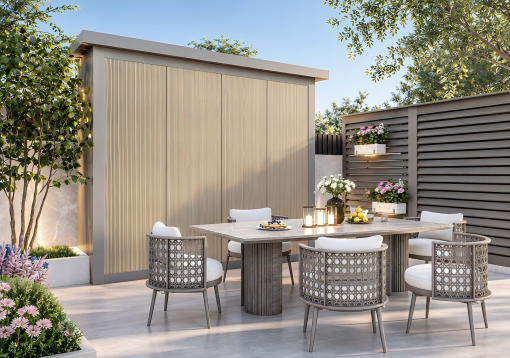
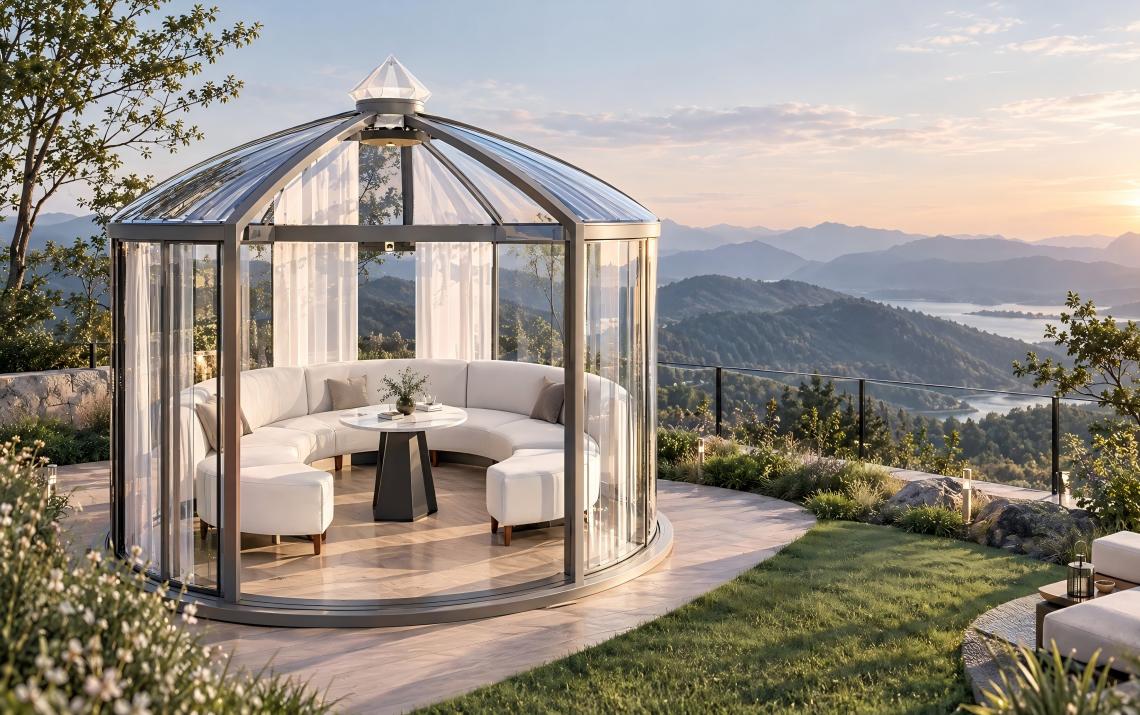
Scenic outdoor dining expands seats, hosts events and raises rental revenue.

The open-air dining area in the lawn landscape zone of the cultural and tourism park, equipped with shade structures and set against the backdrop of the surrounding natural scenery, offers visitors outdoor dining, team-building banquets, and light meals within the scenic area.

1080x715
485x340
485x340


BATTLE 1:

What problem of insufficient indoor restaurant seats and heavy reception pressure during tourist peaks in scenic spots can outdoor restaurants solve?

They expand dining seats using lawns and open scenic land without building new structures. Extra seats relieve indoor restaurant pressure during peak seasons and improve overall dining reception capacity of the scenic park.


BATTLE 2:

How do outdoor restaurants satisfy tourists’ demand for dining while enjoying natural scenery?

Dining zones are built within green scenic areas. Visitors can enjoy garden or mountain views while eating. It combines natural landscapes with catering consumption and enhances tourists’ immersive cultural tourism experience.


BATTLE 3:

What pain points of holding outdoor theme banquets and team-building events for cultural-tourism projects can outdoor restaurants resolve?

They supply large-scale open-air dining venues suitable for outdoor parties, team-building banquets and festival feasts. Basic shelter allows events to proceed under light rain. They diversify commercial event options and raise venuerental income.

Leave A Message

We would love to hear from you!